

Creating a standout dental website is crucial in today’s digital landscape. Your online presence serves as the first impression for potential patients. With so many options available, how do you ensure your practice shines? The right design elements can transform an ordinary site into a powerful tool for attracting and retaining clients. Dental Website Design is known to be crucial for growing your practice. If you do not know how to do it, hiring an expert is essential. From easy navigation to eye-catching aesthetics, each detail plays a vital role. Let’s dive into the essential components that will help craft an inviting and effective dental website. Whether you’re starting from scratch or looking to revamp your current site, these tips will guide you toward creating a smile online that reflects the care and professionalism of your practice.
User-Friendly Navigation
 User-friendly navigation is the backbone of any effective dental website. Visitors should easily find what they need without frustration or confusion. Clear menus, logical layouts, and intuitive pathways lead potential patients to essential information. Consider organizing your site into categories like services, patient resources, and contact details. This structure helps users locate relevant content quickly.
Use concise labels for menu items—simple wording goes a long way in enhancing clarity. Incorporating a search bar can also help those who prefer specific queries over browsing through multiple pages.
Responsive Design
Responsive design is crucial for any dental website. With most users accessing sites through mobile devices, a flexible layout ensures that your content adapts seamlessly to different screen sizes. Imagine someone searching for a dentist on their phone while on the go. If your site doesn’t look good or function well on their device, they will likely leave and find one that does. A responsive design enhances user experience, allowing visitors to navigate easily without zooming in or scrolling awkwardly. This functionality builds trust and encourages potential patients to explore more of what you offer. Moreover, search engines like Google favor mobile-friendly websites in their rankings.
Professional Aesthetics
A dental website should reflect professionalism and trustworthiness. The design elements you choose play a significant role in establishing this image. Start with a clean layout that avoids clutter. A well-organized site makes it easier for visitors to find information quickly. Color schemes are crucial too. Soft, calming colors can evoke feelings of comfort while still maintaining an air of authority. High-quality images contribute to the overall aesthetics.
Call-to-Action (CTA) Buttons
Call-to-action buttons are crucial for any dental website. They guide visitors toward taking specific actions, like booking an appointment or requesting more information. A well-designed CTA stands out. Use contrasting colors to ensure they capture attention immediately. The text should be clear and concise, prompting users with phrases like “Schedule Your Visit” or “Get a Free Consultation.” Placement matters too. Position your CTAs prominently on the homepage, service pages, and even blog posts.
Creating a compelling dental website goes beyond aesthetics. It’s about crafting an experience that resonates with visitors and encourages them to take action. A user-friendly navigation system ensures that potential patients can easily find what they’re looking for without frustration. Meanwhile, responsive design guarantees accessibility across all devices, making it easier for users to engage with your content. Investing time and resources into these essential elements can significantly enhance your online presence and patient engagement. By focusing on usability, responsiveness, aesthetics, and clear calls to action, you’ll create a digital smile that mirrors the confidence you instill in every patient who walks through your door.



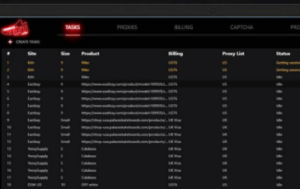 You will find a sneaker bot to be quite interesting in the manner it works. The idea is reverse engineering whereby the bot takes advantage of the site’s code to get access to the stock of sneakers. Then it mimics human behavior during the buying process. Thus, when you know how to use your sneaker bot efficiently, you can easily access the site and feed it with information it uses for the checkout process. Although you do not need to know about the code, you should know how to use the bot.
 One of the most common warning signs of a phishing email is inconsistencies in email addresses, links, and domain names. If you receive an email from a company you do not recognize, check the email address carefully. Phishers often use similar-looking domain names or slightly misspelled versions of legitimate companies’ domain names. They may also use fake email addresses that contain the name of the honest company but with a different domain name.
 If you hover your mouse over a link in an email and the URL that appears is different from what was displayed in the text, this is a sign that the email may be phishing. Phishers will often use shortened URLs or redirects to disguise their true intentions. Be sure to check the URL before clicking on any links in an email.