

Hoverboard: The Future of Transportation

First, let’s talk about what a hoverboard is. It’s a board that hovers just above the ground, using magnetic levitation or some other technology to balance it in midair. Hoverboards are also known as “self-balancing scooters” and “smart boards.” Imagine being able to get from point A to point B without ever touching the ground! You can find some from other websites that have all the latest info on the tech! Here are what you need to know before riding one:

Check the Battery Charge

shoesSince hoverboards use battery power, we must charge them at night time. This way, the battery will be full and ready to go! Make sure you check before leaving for work or school in case you need to recharge your hoverboard overnight.

Read the Manual

We are all as eager as you are to ride a hoverboard, but it’s essential that we read the manual first. It should give us all the safety instructions and let us know what to do if something goes wrong or adjust speeds, turn and rotate, etc.

Remember Your Safety

Always wear your helmet! Remember, this is an electric board, so be mindful of where you are riding at all times. It can be dangerous if you’re going too fast and have to brake suddenly. Be prepared just in case!

Remember There Are Consequences

Don’t forget about what happens when you break more rules than one while on your hoverboard. You could get a ticket or, even worse, an accident that can’t be fixed! Don’t break the law and have fun while you’re at it without causing any damage to yourself or others nearby.


Practice Makes Perfect

Everything requires practice, including using a hoverboard! The more you use it in your daily life, the easier it will become. You’ll need to learn where each button is and how fast or slow you can go without falling off. As with any new skill, learning these things can be difficult but should come naturally over time once mastered.

Watch Tutorials on YouTube

hoverboardThere are some great tutorials on YouTube that you can watch to get started with your hoverboard. Just search “how to use a smartboard” and choose one of the many videos available for free! Hoverboards are becoming more popular every day, so it’s essential that we learn how to ride them safely if they’re ever in our area.

They aren’t as common as bikes or cars, so finding when you need one can be hard. With this in mind, make sure that your hoverboard is charged up and ready for the day!

Related Post

soundbar

Factors to Consider When Buying the Right Soundbar

Have you decided to purchase the right soundbar? If yes, you need to identify the right factors you need to consider when making your purchase? These are some of the questions you need to ask yourself before going to shop for these accessories.  Note that with these gadgets, you will take your home entertainment to the next level. Therefore, if you are looking for a cheaper soundbar, here are the buying factors you need to consider.

Check on the Sound Quality

television setIt is crucial to understand that soundbars improve the sound quality of your television. They contain various speakers in one, and they are fitted to one another to come up with a surround sound. You will receive a psycho-acoustic effect from these speakers to help the sound bounce off the wall and offer the bass and punch you want to enjoy in your movies and music. Therefore, this should be one of the main factors you need to consider when shopping for these speakers.


Consider the Size

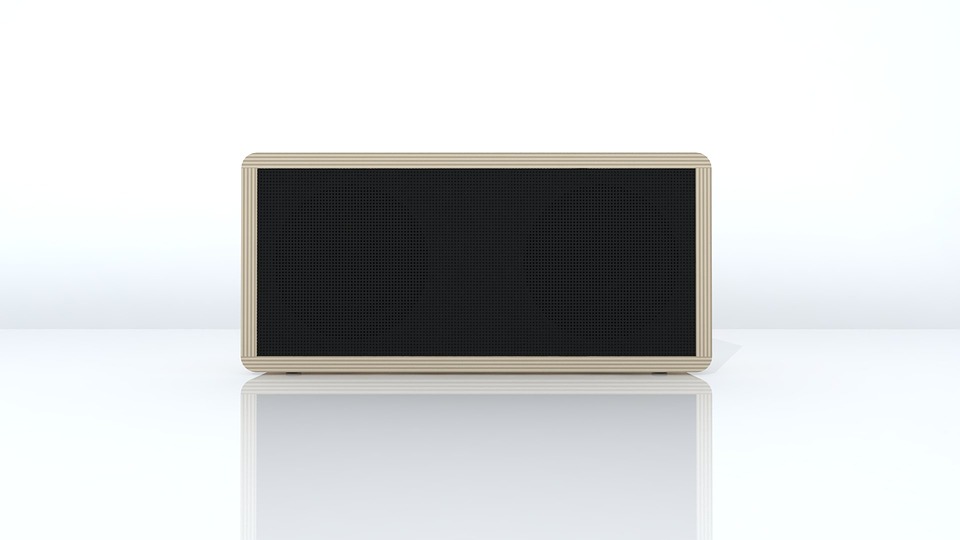
When buying these gadgets, make sure that you consider checking the size and the general outlook. Ideally, a soundbar is created to fit somewhere in front of the mounted TV, either place on a stand or mounted on the wall. If you need a balanced look, you should choose a soundbar that fits your TV size. In other words, avoid buying a soundbar that is wider or big than your television.

Consider the Connectivity

Another factor that you need to remember when choosing a soundbar under $200 is the compatibility with other devices. In most cases, you will find out that you only need a single cable to connect your soundbar to your television. Even if some models you will find use optical cables, it is crucial to understand that others use HDMI cables. Therefore, it is recommendable that you choose a soundbar that connects more devices. In other words, consider selecting a soundbar that is compatible with almost every device.

Consider a Soundbar with Bass

speaker

At times, you may realize that your subwoofer is not providing the kind of punch that you need. This might be true in most cases, especially if you use a gadget that does not come with a dedicated subwoofer. Therefore, if you want more bass, consider buying a quality soundbar. Various models can offer you the bass that you want. Check the features and choose one with quality and extra bass features.

Creating a Smile Online

Creating a Smile Online: Essential Elements of Dental Website Design

Creating a standout dental website is crucial in today’s digital landscape. Your online presence serves as the first impression for potential patients. With so many options available, how do you ensure your practice shines? The right design elements can transform an ordinary site into a powerful tool for attracting and retaining clients. Dental Website Design is known to be crucial for growing your practice. If you do not know how to do it, hiring an expert is essential. From easy navigation to eye-catching aesthetics, each detail plays a vital role. Let’s dive into the essential components that will help craft an inviting and effective dental website. Whether you’re starting from scratch or looking to revamp your current site, these tips will guide you toward creating a smile online that reflects the care and professionalism of your practice.

User-Friendly Navigation

Creating a Smile OnlineUser-friendly navigation is the backbone of any effective dental website. Visitors should easily find what they need without frustration or confusion. Clear menus, logical layouts, and intuitive pathways lead potential patients to essential information. Consider organizing your site into categories like services, patient resources, and contact details. This structure helps users locate relevant content quickly.

Use concise labels for menu items—simple wording goes a long way in enhancing clarity. Incorporating a search bar can also help those who prefer specific queries over browsing through multiple pages.

Responsive Design

Responsive design is crucial for any dental website. With most users accessing sites through mobile devices, a flexible layout ensures that your content adapts seamlessly to different screen sizes. Imagine someone searching for a dentist on their phone while on the go. If your site doesn’t look good or function well on their device, they will likely leave and find one that does.  A responsive design enhances user experience, allowing visitors to navigate easily without zooming in or scrolling awkwardly. This functionality builds trust and encourages potential patients to explore more of what you offer. Moreover, search engines like Google favor mobile-friendly websites in their rankings.

Professional Aesthetics

A dental website should reflect professionalism and trustworthiness. The design elements you choose play a significant role in establishing this image. Start with a clean layout that avoids clutter. A well-organized site makes it easier for visitors to find information quickly. Color schemes are crucial too. Soft, calming colors can evoke feelings of comfort while still maintaining an air of authority. High-quality images contribute to the overall aesthetics.


Call-to-Action (CTA) Buttons

Call-to-action buttons are crucial for any dental website. They guide visitors toward taking specific actions, like booking an appointment or requesting more information. A well-designed CTA stands out. Use contrasting colors to ensure they capture attention immediately. The text should be clear and concise, prompting users with phrases like “Schedule Your Visit” or “Get a Free Consultation.” Placement matters too. Position your CTAs prominently on the homepage, service pages, and even blog posts.

Creating a compelling dental website goes beyond aesthetics. It’s about crafting an experience that resonates with visitors and encourages them to take action. A user-friendly navigation system ensures that potential patients can easily find what they’re looking for without frustration. Meanwhile, responsive design guarantees accessibility across all devices, making it easier for users to engage with your content. Investing time and resources into these essential elements can significantly enhance your online presence and patient engagement. By focusing on usability, responsiveness, aesthetics, and clear calls to action, you’ll create a digital smile that mirrors the confidence you instill in every patient who walks through your door.

laptops

How to Run Apps on PC

Some Android apps feel boxed in on small screens. That is why many users search for how to download apps on PC while juggling phones that overheat or lag. Android apps cannot run directly on Windows or macOS, so an emulator becomes the middleman. MemuPlay fills that role by recreating an Android environment inside a desktop system. This setup sounds fancy, but the goal is simple. Give mobile apps more room to breathe. Now, let’s see why running Android apps on PC is better than on your smartphone. Also, find out how to run the apps on PC.

Why Screen Size Changes Everything

Small displays limit how much data an app can show at once. On PC, that restriction disappears almost instantly. Dashboards, timelines, and menus are spread out instead of stacking. This improves clarity and reduces constant scrolling. Apps built for reading, editing, or monitoring data gain the most. Text becomes easier to scan. Controls stop overlapping. It feels like moving from a cramped desk to a full workstation.

Performance Gaps Between Phones and PCs

performance

Phones balance performance against battery life. PCs do not play that same game. Desktop CPUs and RAM handle sustained loads without throttling. Apps that slow down on phones often stabilize on a PC. Background tasks also behave better. Multiple apps can stay active without choking resources. This matters for monitoring tools and communication apps. Stability becomes predictable instead of fragile.

Input Precision That Still Matters More Than You Think

Touch input works well for short actions. It struggles with precision tasks. Mouse and keyboard input on PC fixes that instantly. Dragging, selecting, and typing feel controlled. Apps involving design, data entry, or configuration benefit here. One mis-tap on a phone can derail a task. On PC, accuracy improves without extra effort. Less frustration follows.

Why Some Apps Feel Limited on Mobile

Why Some Apps Feel Limited on Mobile

Mobile operating systems restrict background activity. This protects batteries but hurts certain apps. Automation tools and file managers often feel clipped. PC environments lift many of those limits. Storage access also changes. Phones hide file systems behind layers. PCs expose directories clearly. Apps gain better file handling through emulation. Control feels less restricted.

How Android Emulators Bridge the Gap

Android emulators recreate mobile system calls on desktop hardware. Apps think they are running on a phone. MemuPlay handles this translation smoothly. It assigns CPU cores and memory directly. This setup gives users control. Resource allocation can be adjusted. Performance tuning becomes possible. That flexibility keeps demanding apps steady.

Running Android Apps on PC Using MemuPlay

MemuPlay installs like standard desktop software. After launch, users sign in to the Play Store inside the emulator. Apps install normally without special steps. The process feels familiar. Once running, apps open in windows. Keyboard mapping replaces touch gestures where needed. Settings allow performance tweaks per app. This keeps long sessions stable. Installing Android apps on a PC is not a shortcut. It is a response to real technical limits on mobile devices. Larger screens, stronger hardware, and precise input make a difference. Emulators simply unlock that potential. For many users, that shift feels overdue.